Why Dehumidifier Size and Placement Make or Break Your Crawl Space
Introduction
Dehumidifier Sizing and Placement
THE DETAILS THAT DETERMINE IF YOUR ENCAPSULATION ACTUALLY WORKS
When we do an encapsulation, there's a lot that goes into making sure it actually works the way it's supposed to. Lights, sealed vents, rodent-proofing, all of that matters. But two things can make or break the whole job if they're not done right: the size of the dehumidifier and where it gets placed.
I see this all the time in our line of work. A crawl space looks great. Plastic's in, lights are up, everything's clean. But the dehumidifier is sitting right next to the door instead of in the middle of the space. That's not a small detail. That's the difference between a crawl space that actually stays dry and one that only looks good in photos.
Why Dehumidifier Size Matters
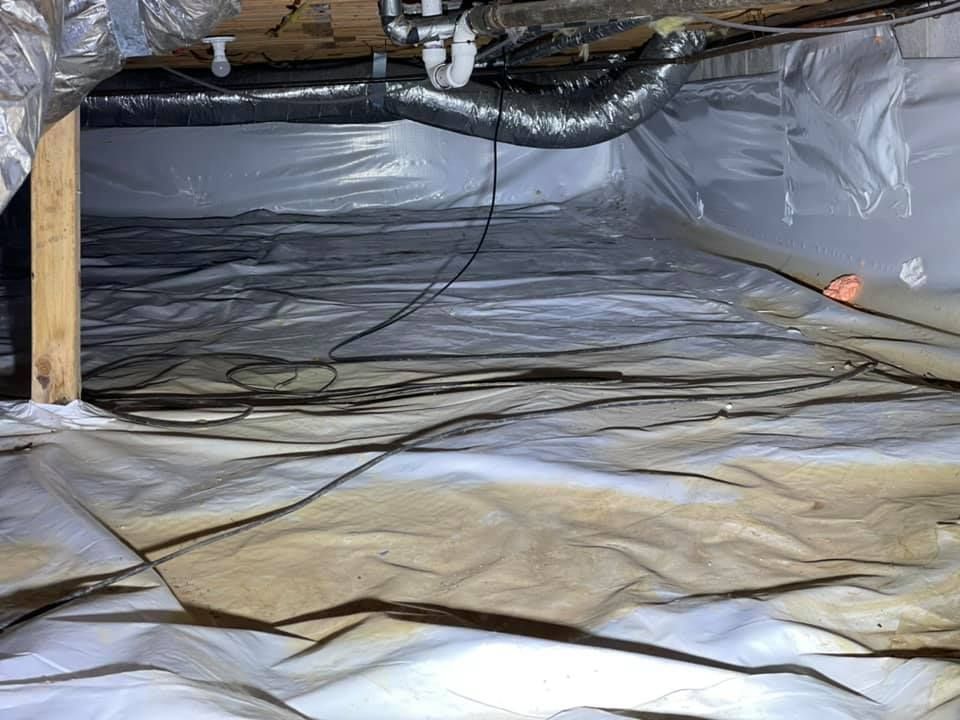
Sizing isn't something you guess at. We use the E70 for crawl spaces under 2,000 square feet and the E100 for anything over that. The E70 covers about 2,200 square feet. The E100 covers around 3,200.
Here's the thing - the cost difference between a 70 and a 100 is pretty small. So if there's any chance your crawl space is on the bigger side, it makes sense to size up. That extra 600 square feet of drying capability is worth it.
I run an E100 under my own house. It works exactly how it should. When you undersize a dehumidifier, you're asking a smaller machine to do a bigger job. It might run constantly and still not keep up. That's not a good long-term setup for your home.
The Placement Problem
Here's something I see constantly. A crew installs the dehumidifier right next to the entrance door instead of putting it in the middle of the crawl space. And I get why it happens. These units weigh 45 to 50 pounds. Carrying one through a tight crawl space isn't easy. It's a lot simpler to just set it down near the door and call it done.
But that's not why the unit is there. It's not there for convenience. It's there to dry out the whole space.
When you put a dehumidifier off to one side, the air on the far end of the crawl space doesn't get treated the same way. That side stays more humid. Over time, that's where you're going to see problems - moisture buildup, musty smells, maybe even mold. And it defeats the entire purpose of doing the encapsulation in the first place.
What Proper Placement Looks Like
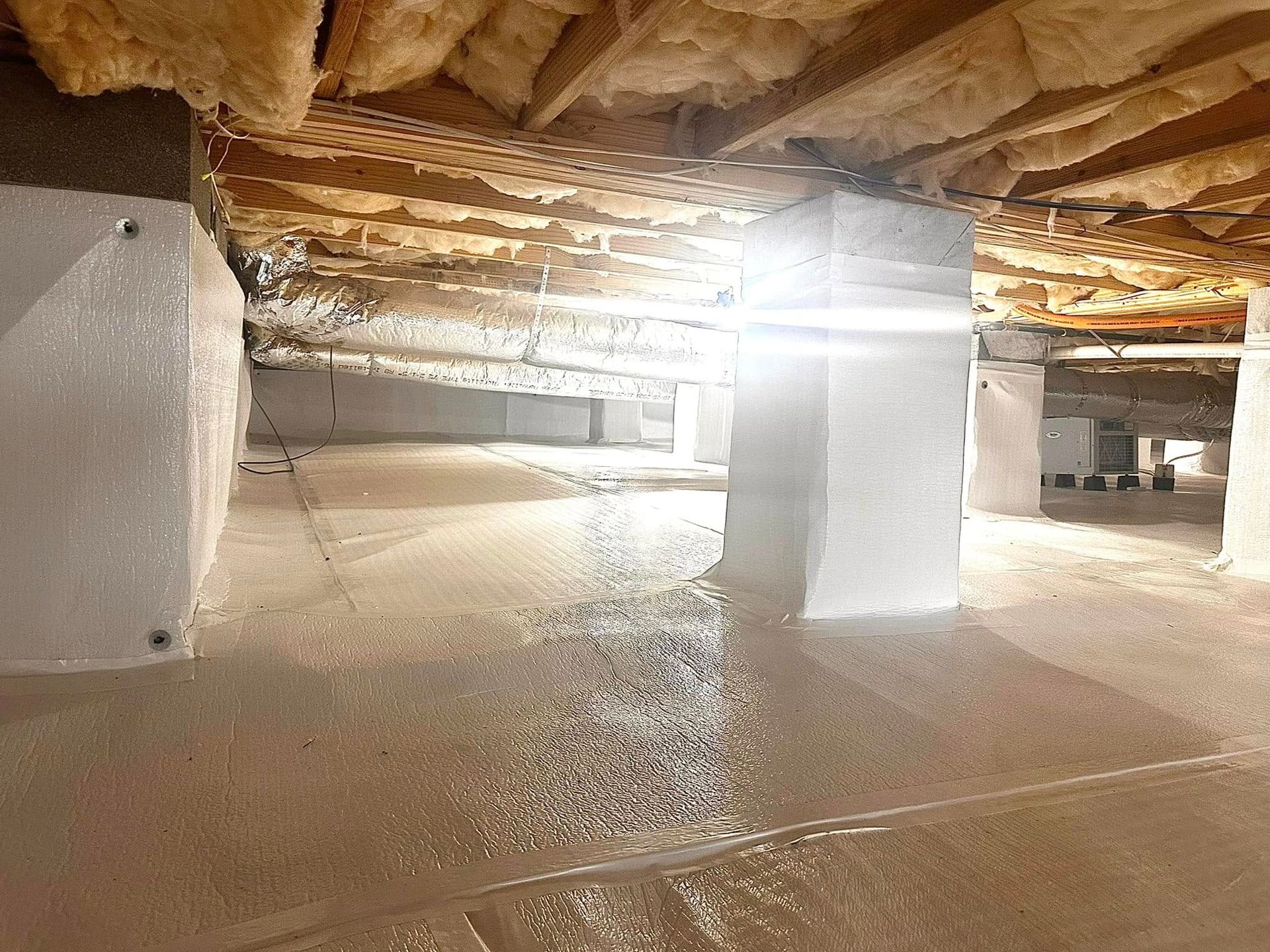
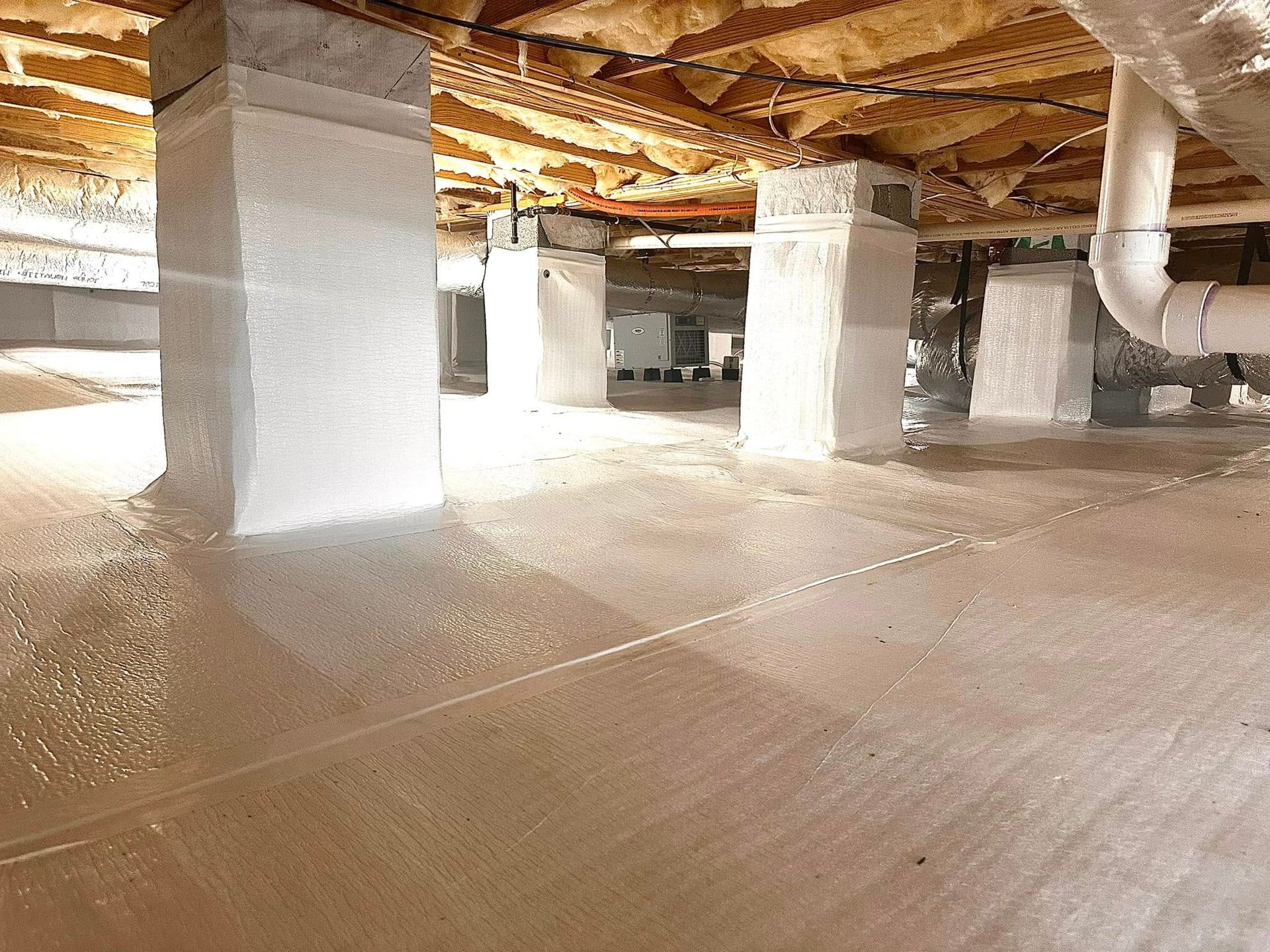
The dehumidifier needs to sit in a central location so it can pull air evenly from the whole crawl space. That's how you get consistent drying across the board, not just in one corner.
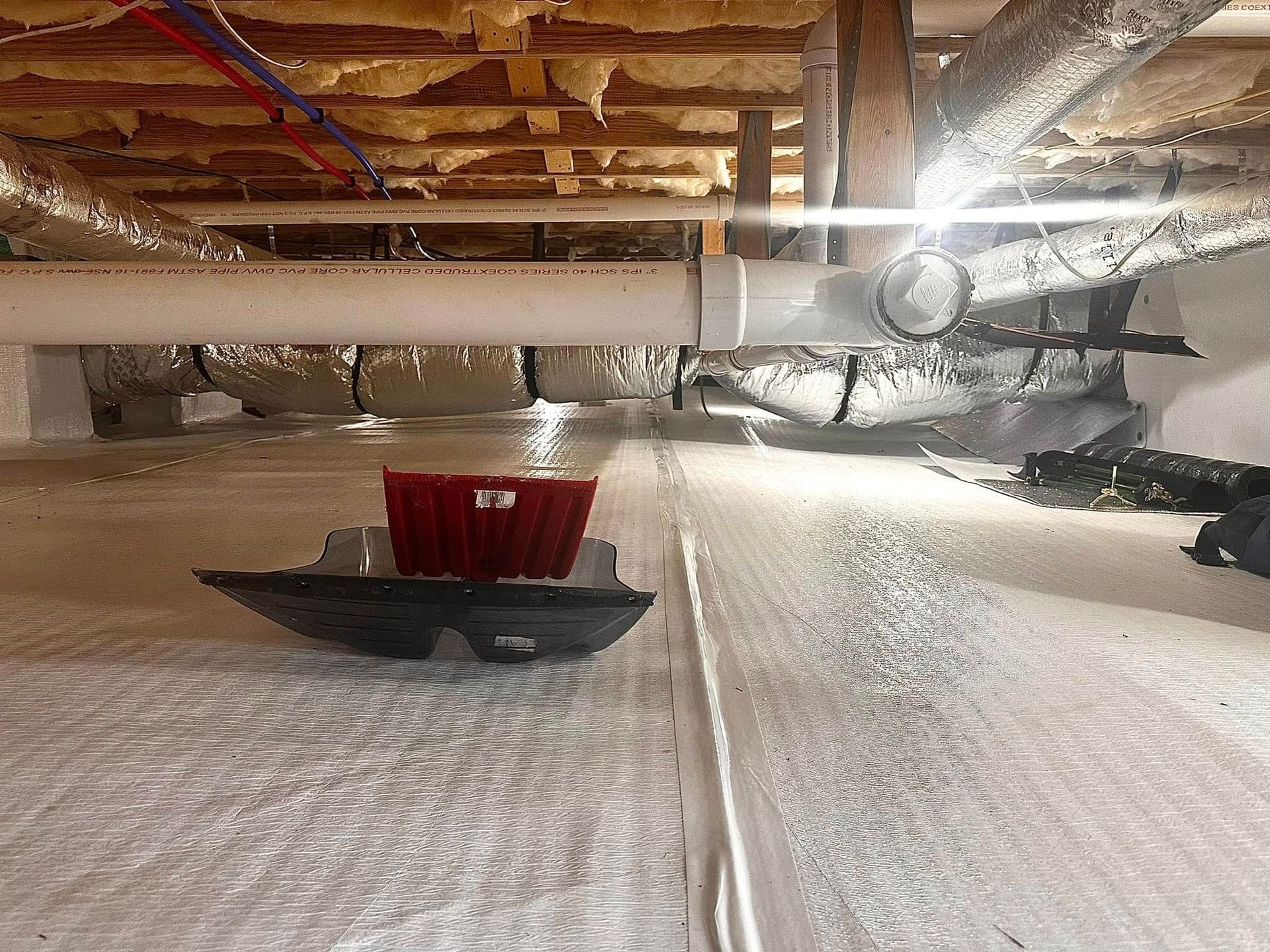
Getting it there isn't always easy. Sometimes you need a snow sled or something similar to slide the unit through a tight space to the middle. It takes more time and more effort than just setting it down by the door. But that extra effort is exactly what separates a job that works from a job that just looks finished.
If your crawl space is going to have lights, rodent-proofing, and a fully sealed system, why would you undercut all of that by putting the dehumidifier somewhere it can't do its job? It doesn't make sense. And it's avoidable.
Why This Detail Gets Overlooked
Honestly, it comes down to laziness. Not every crew, but enough of them. Moving a 50-pound unit through a crawl space that might only be a few feet tall is hard work. It's easier to leave it by the door and move on to the next job.
The problem is, most homeowners have no way of knowing this happened. You're not crawling under your own house to check where the dehumidifier sits. You're trusting that the company did it right. And that's exactly why this detail matters so much - because it's invisible to you, but it's not invisible to your crawl space.
What a Well-Done Encapsulation Should Include
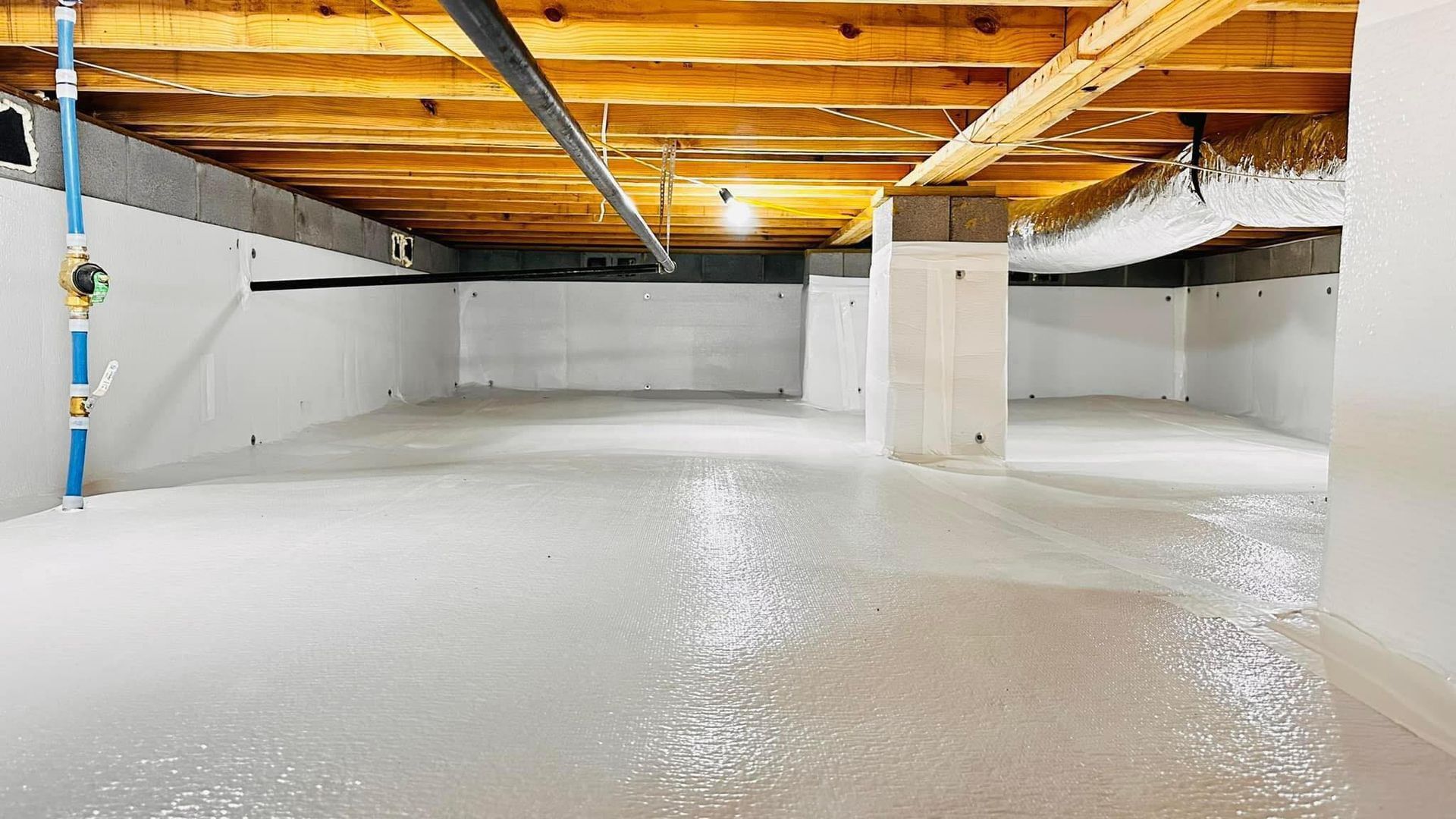
A good encapsulation isn't just one thing done right. It's a bunch of things working together. Lights so you can actually see what's going on down there. Rodent-proofing so nothing gets in. Properly sealed vents. And a dehumidifier that's sized correctly and placed where it can do its job.
Skip any one of these, and you've got a weak link in the whole system. Your crawl space might look finished, but it's not actually protected the way it should be.
This is what I mean when I talk about doing things right versus just getting the job done. At Crawl Logic, we don't cut corners on the parts that don't show up in a quick walkthrough. We think about how the whole system performs a year from now, not just how it looks the day we finish.
What Homeowners Should Ask About
If you're getting quotes for encapsulation work, ask specific questions about the dehumidifier. What size are they installing, and how did they determine that size based on your square footage? Where will it be placed, and why?
You can also ask about moisture monitoring. A good company should be able to set you up with a way to keep an eye on your crawl space long-term, not just walk away after the install.
These aren't complicated questions. But asking them tells you a lot about whether a company is thinking through the details or just trying to get the job done fast.

Ready to Get Your Crawl Space Done Right?
If you're dealing with a humid crawl space, or you're just not sure if your current setup is working the way it should, reach out. I'm happy to take a look and walk you through exactly what's going on.
We offer free inspections for homeowners in the Nashville area. I do the inspections myself, so you're getting a straight answer, not a sales pitch. I'll show you what we find, explain your options, and let you decide what makes sense for your home.
That's how we handle every job at Crawl Logic.